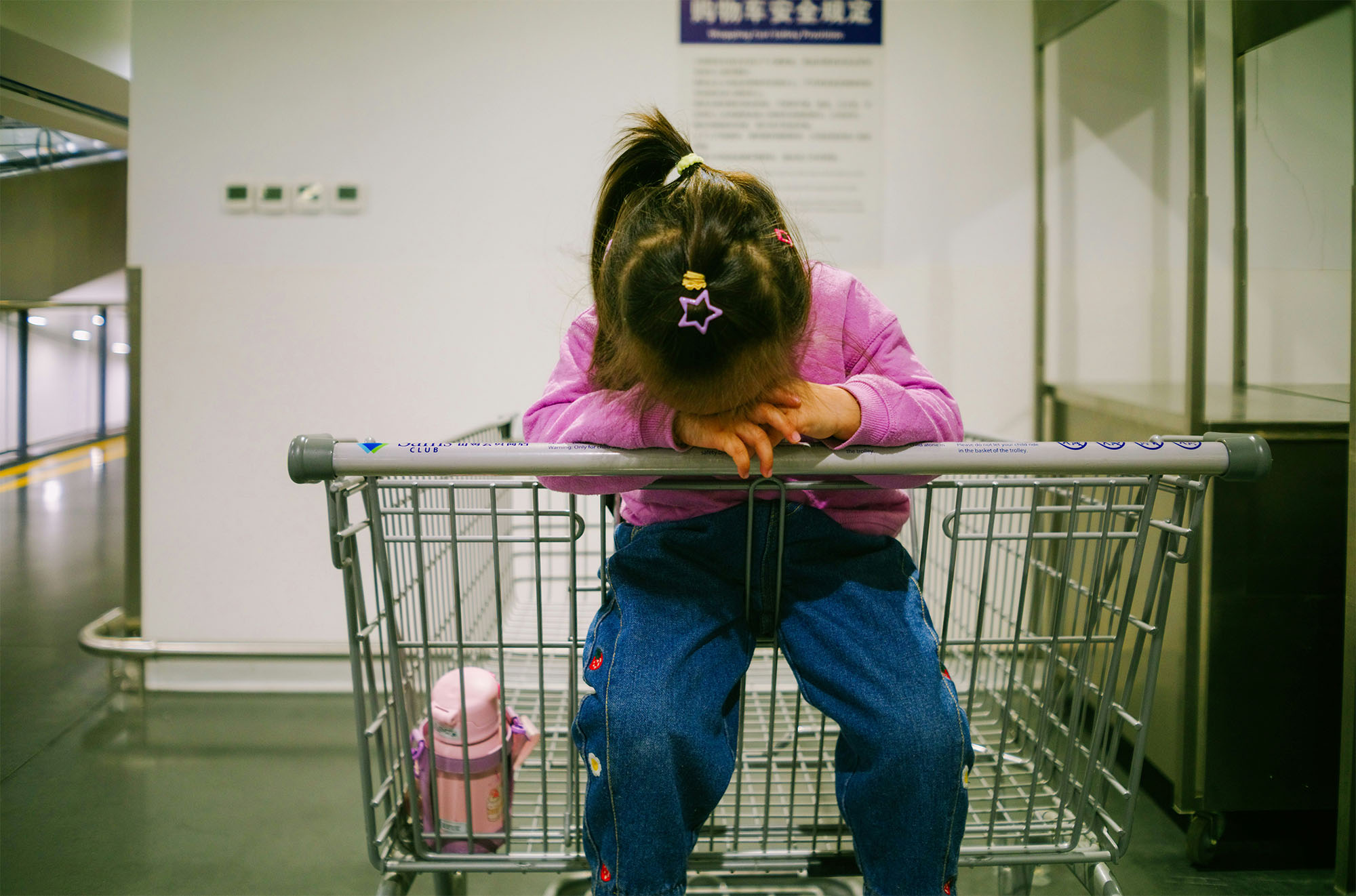
Childhood poverty is a problem that affects millions of children in the United States daily.
The causes of childhood poverty are complex, but directly related to adult poverty. While some pinpoint topics like financial struggles, the cause relates to more than just one issue. It stems from what is called multidimensional poverty, where families experience overlapping challenges such as low income, lack of access to quality education, healthcare, stable housing, or childcare.
According to The Annie E. Casey Foundation, about 11.4 million kids in the United States live below the federal poverty line. Children who live in poverty are more likely to experience food insecurity, homelessness, and other hardships like cognitive delays and educational difficulties. These effects are not limited to the individual level. Poor children are more likely to carry these hardships into adulthood and then pass them onto their children, which can have a negative impact on the economy as a whole and create the cycle of poverty.
A time when the U.S. was in economic despair but childhood poverty rates were at the lowest was during the Covid-19 pandemic.
Research from the Center on Budget and Policy Priorities shows that federal pandemic relief in 2021 was driven by four major legislative packages. The aid included stimulus checks, expanded unemployment insurance, increased nutrition and housing assistance, improved tax credits, and made health coverage more accessible. Together, these efforts drove the poverty rate down to a record low of 8.0%.
However, the relief did not last long. In 2022, the expiration of federal aid drove poverty levels back up to a historic high of 12.4%.
Syracuse University associate professor Timur Hammond believes that the overall impact of federal aid can speak for itself. He said, “There's at least an argument to be made that simply providing people with checks goes some distance with reducing levels of childhood poverty.”
Hammond touched on another way to decrease the rates of childhood poverty. He said, “Making sure that you are making life more affordable, whether that is by providing people with direct payments or providing opportunities for subsidized food or subsidies to reduce the cost of food and housing.”
The idea of more affordable housing, or some say, moving impoverished families to areas of lower-poverty could have benefits. This idea is backed by a study done by Raj Chetty, Nathaniel Hendren, and Lawrence F. Katz. The main findings state, “offering low-income families housing vouchers and assistance in moving to lower-poverty neighborhoods has substantial benefits for the families themselves and for taxpayers.”
No matter the aid, or the attempt for economic relief for families in poverty, childhood poverty rates have still fluctuated significantly throughout the years, Covid-19 being only one example. Although, some states have made massive improvements, others have worsened over time.
Although New York didn’t rank among the top five most improved states for reducing childhood poverty, it still made notable progress. From 2000 to 2024, the state’s childhood poverty rate fell by about 20% which is more than double the national decline of roughly 9%.
While both charts can be very useful when examining the trends of childhood poverty in the U.S. It is important to acknowledge the limitations of the data. For starters, the data used by The Annie E. Casey Foundation was derived from the U.S. Census Bureau, although through research, a few discrepancies were found. The conclusion was that the Annie E. Casey Foundation used Census data that reports the total number of individuals in poverty before determining how many of those individuals were children.
Another limitation appears in the New York State chart, which has no data for 2020. The Annie E. Casey Foundation did not provide an explanation for the gap, but other sources indicate that the number of children in poverty signifcantly improved during that period.
Although childhood poverty has declined nationally over the past 24 years, some states continue to fall behind in supporting struggling families. While the data does not directly explain the impacts of childhood poverty, it highlights where progress has been made and where gaps remain. Using this information, the U.S. can better target efforts to further reduce the number of children living in poverty.
Back to top